We’re happy to answer any questions you might have, with no commitment to proceed with treatment.
We use cookies where necessary to allow us to understand how people interact with our website and content, so that we can continue to improve our service.
We only ever receive anonymous information, and cannot track you across other websites.
View our privacy policyThe LOC Scoliosis Brace is a bespoke 3D scoliosis brace designed for three-dimensional in-brace correction. Each brace is tailored to your individual treatment goals to support non-surgical scoliosis management.

Bracing is one part of scoliosis care, usually alongside a spinal consultant and, where appropriate, specialist scoliosis-specific exercise therapy.
Scoliosis treatment depends on a few factors, such as:
And combines one or more of the following:
A well-designed, properly fitted bespoke brace can help manage scoliosis during growth. The main aim is to support curve management and, for suitable patients, help reduce the risk of progression when worn as prescribed and monitored as part of a wider care pathway.
Scoliosis braces can:
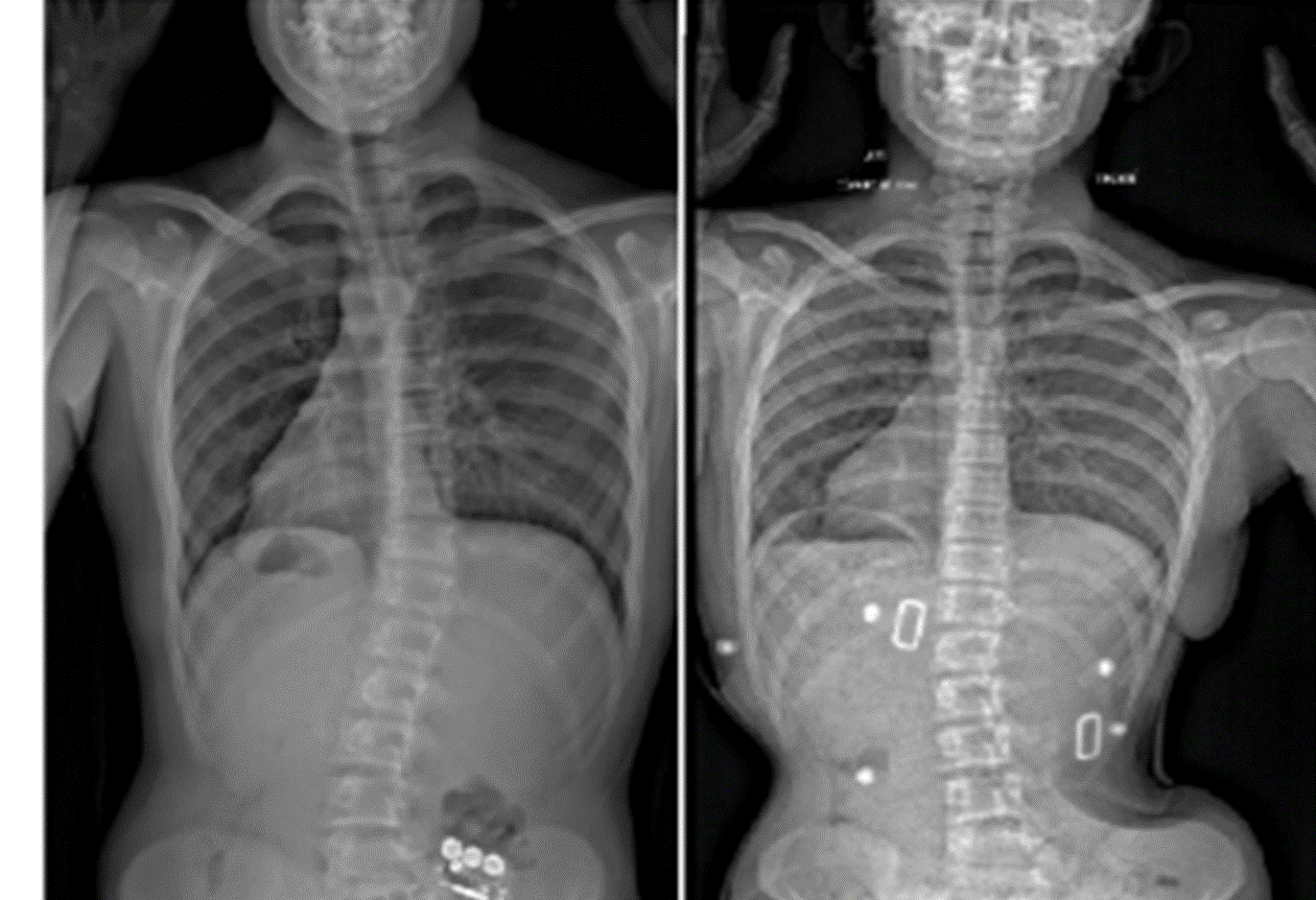
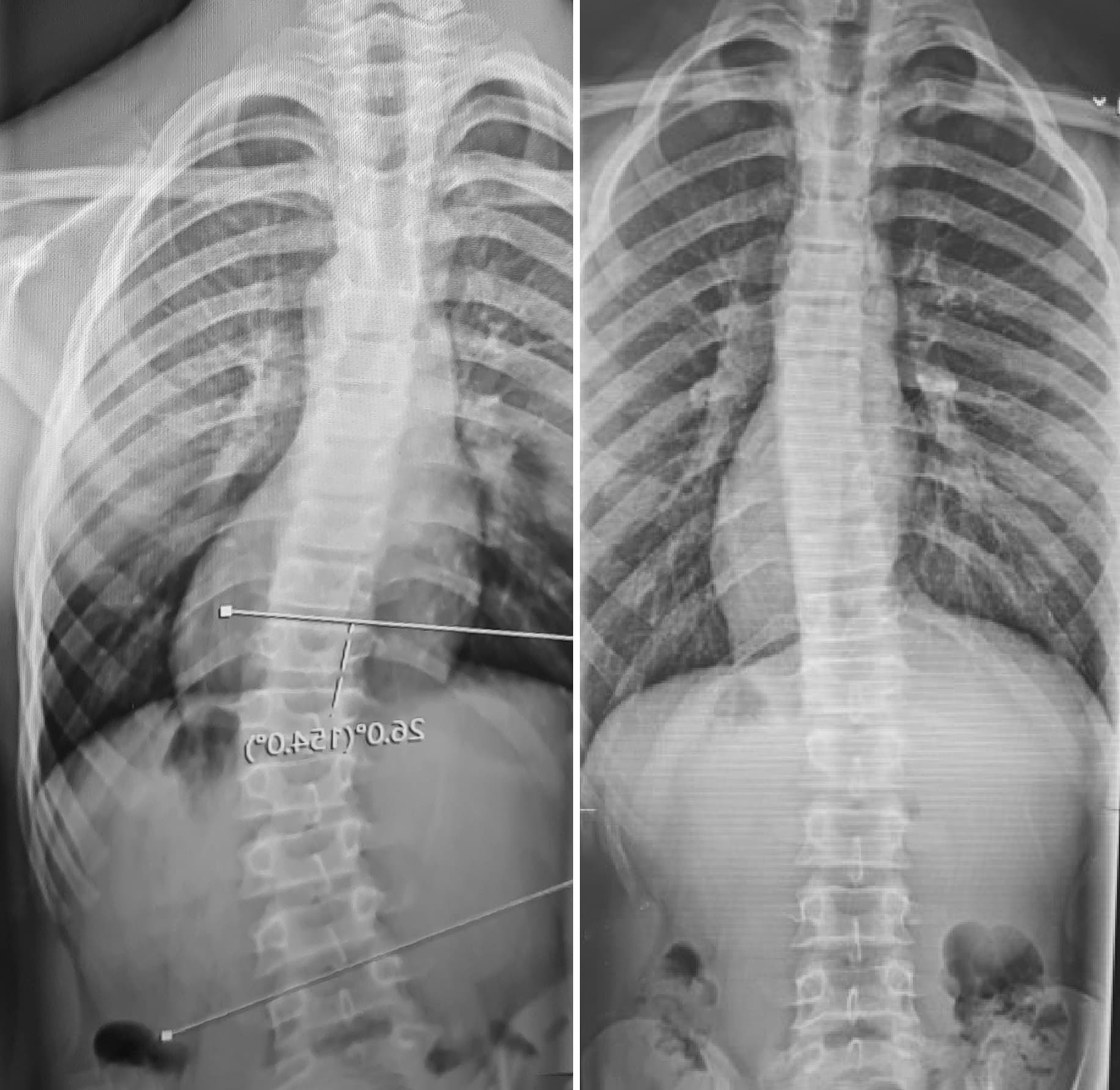
Matilde travelled to us from Chile for bracing treatment. Because of her age and her skeletal maturity, the risk of her scoliosis curve progressing (i.e. getting worse) was high.
Her father, Felipe says “Given the limited ambitions of the bracing treatment available in Chile, we started research focused on finding the best available brace technology… We booked a video appointment with Senior Orthotist Anna Courtney where she explained to us the characteristics and benefits of LOC’s corrective scoliosis brace. After the remote consultation, we took the decision instantly and arranged to travel to London for a face-to-face assessment and fitting of the LOC Scoliosis Brace.”
After just over a year of wearing the brace, Matilde’s before and after X-rays showed her Cobb angle reduced from 29 degrees to 14 degrees. Individual results vary, and imaging interpretation is provided by the medical team.

Kyphosis is when the top of the spine curves forward and makes the back look more rounded than usual.
Bracing helps relieve pain from kyphosis by adjusting shoulder and pelvis alignment. In growing patients, it may help reduce the risk of the condition getting worse and can improve the visual appearance of the condition.

In our published cohort, the LOC Scoliosis Brace achieved an average in-brace correction of 78% when worn as prescribed. In-brace correction is an immediate, ‘in the brace’ measurement, and it does not guarantee long-term curve change. Results vary depending on factors such as curve type, growth stage and wear time.
The brace’s bold design enables advanced three-dimensional curve management for both single and complex double scoliosis curves. In selected cases, the brace is designed to achieve overcorrection in-brace, where clinically appropriate and carefully monitored by our orthotic team.
Designed to be slim and lightweight, with a low-profile fit that can be easier to manage day to day. We’ve also added straps to the front of the brace so patients can put it on and take it off by themselves.
The brace has been fine-tuned based on feedback from our scoliosis patients and spinal consultants. It has been presented internationally and is supported by our published research for its bracing outcomes. Our published data also demonstrates measurable 3D correction, confirming that the brace influences coronal, sagittal, and rotational alignment.
We may use low-dose EOS imaging arranged with an independent imaging provider to review in-brace positioning and support orthotic adjustment. Imaging is performed by the external provider, and we use the images and any measurements provided to inform brace fit, comfort and orthotic management. We do not provide radiology or diagnostic imaging reports.
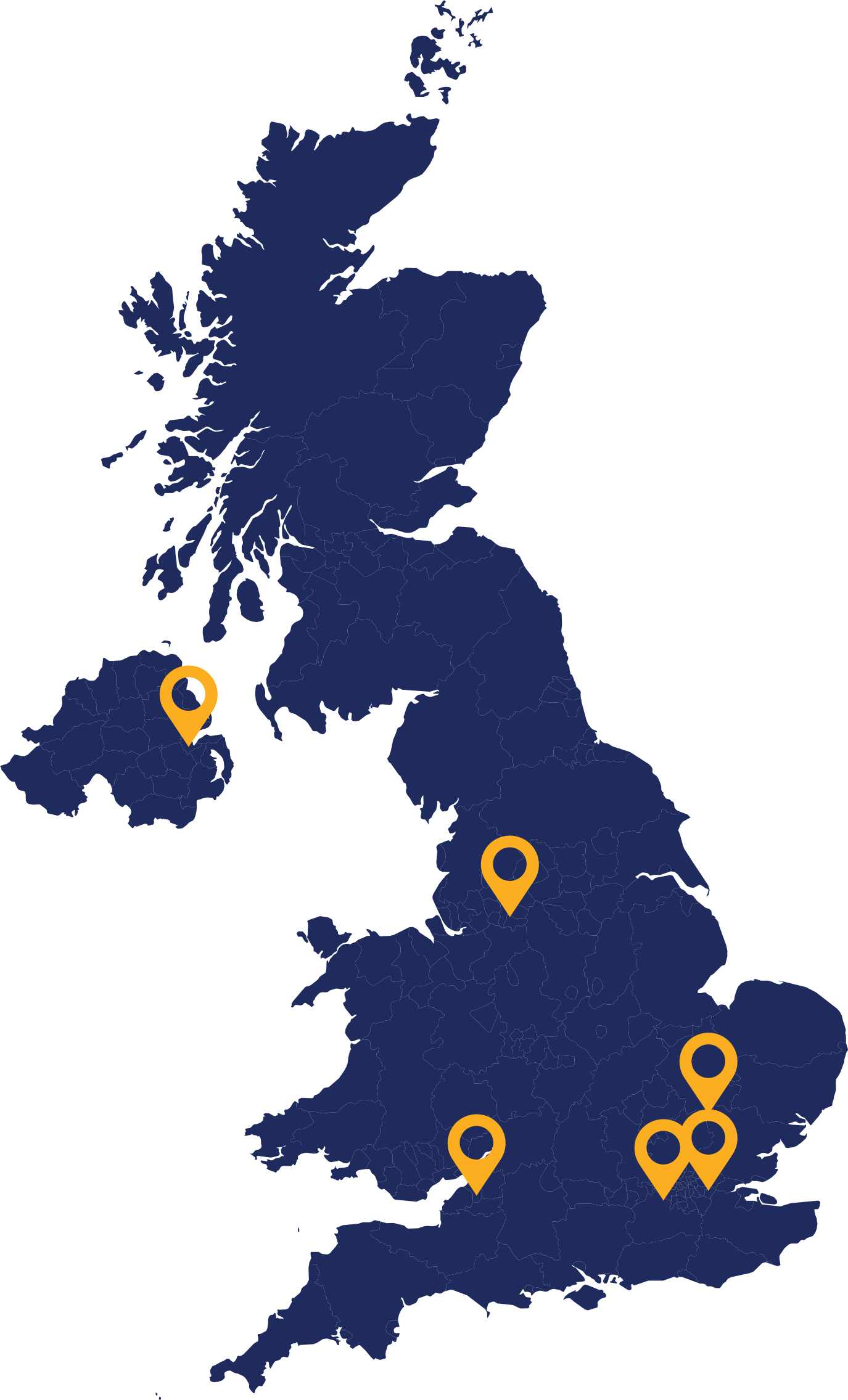
We offer scoliosis consultation, brace fittings and ongoing care at:
Early intervention can help manage scoliosis during growth and may reduce the risk of progression for some children. We offer specific orthotic treatment protocols for children under 10 who have been diagnosed with early onset scoliosis.
For children with mild curves (10 to 20 degrees), Schroth-based specialist therapy may help correct or manage the curve. If the curve is above 20 degrees, we usually recommend a combination of therapy and bracing.
In adolescence, scoliosis curves can progress quickly and unpredictably while the skeleton is still growing and during hormonal changes. Starting 3D bracing early can support three-dimensional in-brace correction and may help reduce the risk of progression during growth.
For teens with scoliosis curves over 20 degrees, we recommend the LOC Scoliosis Brace combined with a tailored Schroth therapy program.
Close monitoring during puberty is essential, especially during growth spurts, to track any progression of the curve.
Your or your child’s spinal surgery may be delayed or canceled for various reasons. Our scoliosis brace can help by supporting posture and comfort, and may help reduce the risk of progression while you wait for surgery (with medical oversight).
If clinical needs demand, we can also manufacture bespoke braces rapidly at our Kingston upon Thames clinic through our same-day scoliosis brace service. If you need same-day bracing, please contact us and our admin team will arrange this for you.
Exercises and training to improve posture are typically the first treatment recommended for adults with scoliosis. We brace adults depending on their needs. Whether that’s to reduce pain, improve posture or lessen the visual appearance of scoliosis.
Since the spine has matured and is less flexible, bracing won’t typically reverse the curve but can:
Bracing can be helpful if you have severe scoliosis and want additional support alongside your medical care, including when you are exploring surgical and non-surgical options.
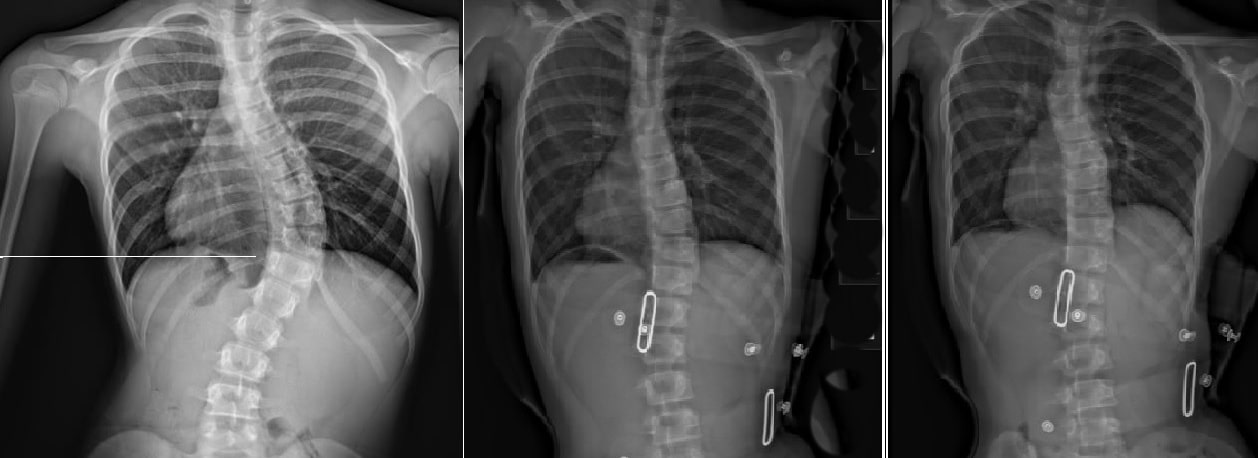

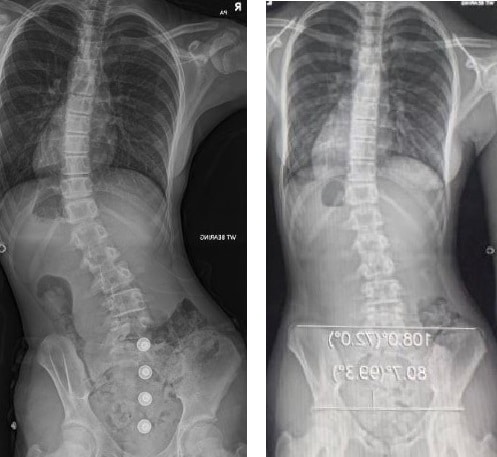
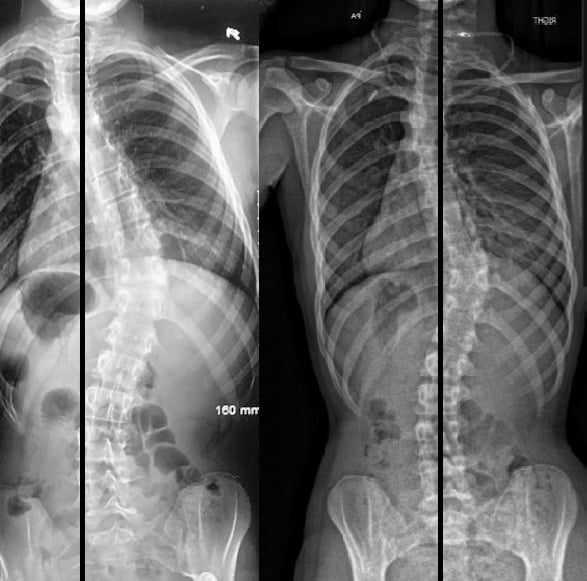
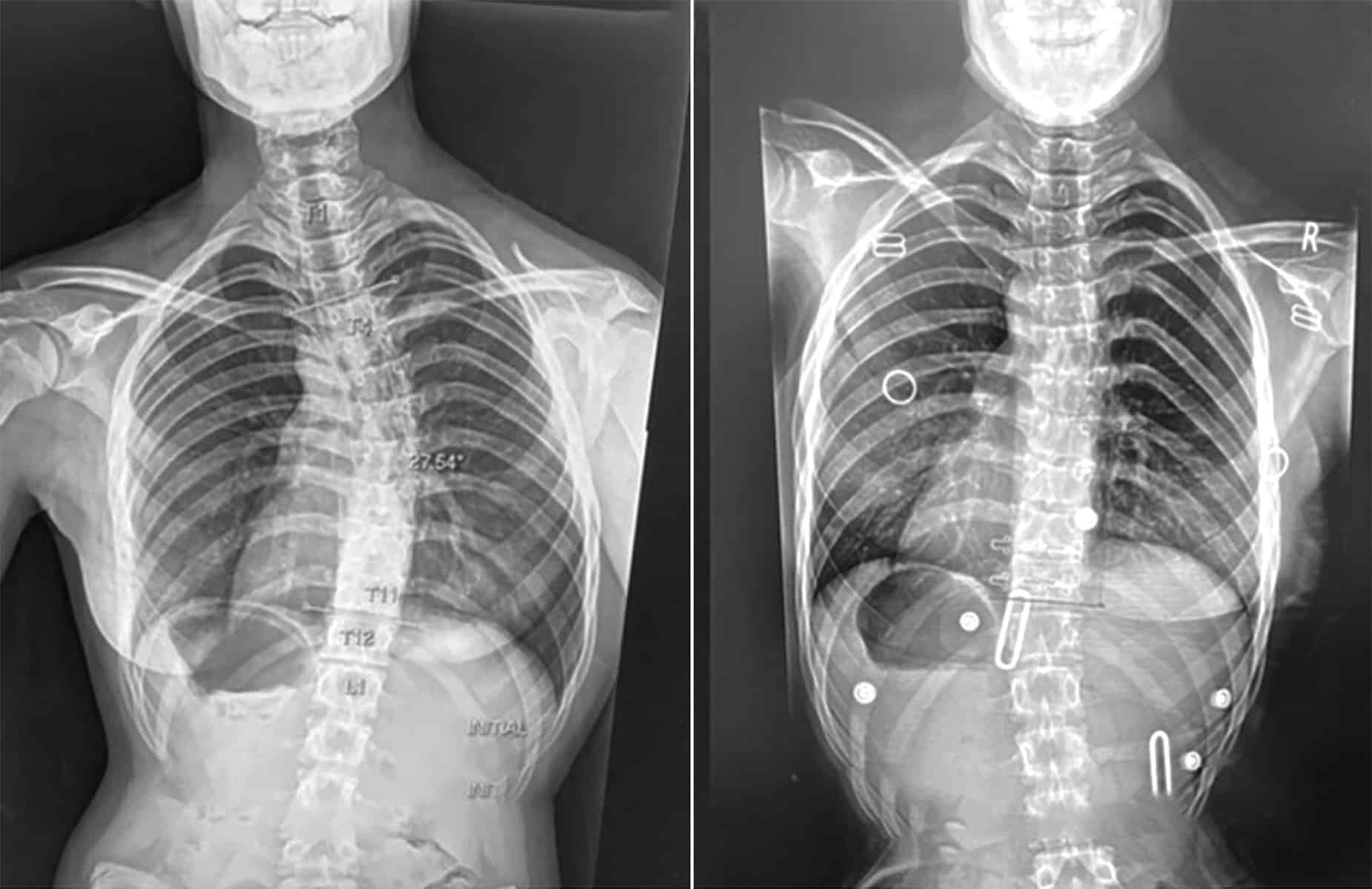
In our published cohort, the LOC Scoliosis Brace achieved an average in-brace correction of 78% when worn as prescribed. In-brace correction
the number of scoliosis braces we've designed and manufactured since 2015
the number of free virtual scoliosis consultations we've given since launching our scoliosis clinic


View some of the most asked questions about Scoliosis bracing treatment here, or search below for a question you might have.
Don’t forget you can always send us a message or give us a call on 020 8974 9989 if you’d prefer.
During the first appointment, your orthotist will ask about your symptoms and clinical history, take scans, photographs and measurements of your back and discuss the treatment options that may be suitable for you. Patients should upload a recent out-of-brace X-ray through the patient consent form before attending. LOC currently asks for X-rays that are no more than three months old.
In-brace correction describes the change in the position of the spine while the scoliosis brace is being worn. This may be assessed using clinical imaging, arranged with an independent imaging provider. It measures the immediate effect of the brace but does not guarantee that the same correction will remain after the brace is removed or at the end of treatment. Results vary depending on factors including curve type, growth stage and wear time.
The length of scoliosis bracing treatment varies from patient to patient and will depend on factors including age, skeletal maturity, growth and the individual curve. Some growing patients may need more than one brace during treatment as they outgrow their original brace. Your orthotist will discuss this with you during the assessment and monitor your progress through regular review appointments.
If we use the evidence available to us, there is a strong connection between hours of brace use and final outcomes. Therefore, ‘gold standard’ bracing typically would involve full-time brace use (22-23 hours per day). That said, there is no single wear schedule that is suitable for every patient. If bracing is recommended, your orthotist will prescribe an individual brace-wearing schedule based on your curve, age, growth and treatment needs. Any concerns or changes to the recommended schedule should be discussed with your orthotist.
Scoliosis bracing may be considered for children and young people who are at risk of curve progression, who have symptoms secondary to their scoliosis, or those who would like to improve cosmetic/postural concerns. We can also brace adults where indicated. Suitability depends on factors including age, skeletal maturity, the size and pattern of the curve and the available clinical information. An individual assessment is needed to determine whether bracing, observation, specialist scoliosis-specific exercise therapy or a combination of approaches may be appropriate.
If you’re experiencing back pain due to scoliosis, it’s important to seek professional evaluation. At LOC, we offer we offer orthotic consultations to review whether bracing may form part of your management plan, which may include onward referral to a physiotherapy team or the use of our brace designed to help manage the curve.
Our goal is to support curve management, help reduce discomfort where present, and reduce the risk of further progression where possible.
We’re committed to always being as transparent as possible with our treatment costs. If you have any questions, please feel free to ask.
*These hours can be used across shorter sessions, from 30 minutes to one hour, depending on your treatment needs.
Same-day scoliosis bracing is available at our Kingston upon Thames clinic for an additional £231.
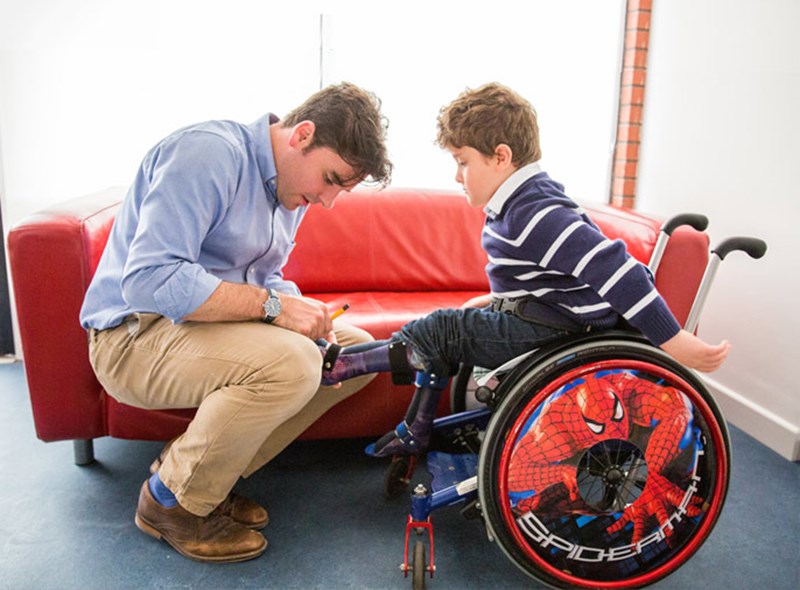
We believe in the power of bespoke orthotics to change lives. That’s why we’re committed to providing the best possible treatments for our patients.
Which means our clinicians can make any necessary adjustments or tweaks to the brace to make sure it’s comfortable and working optimally.
We refer patients to an external imaging provider for rapid, low-dose EOS X-rays after the initial fitting, the results of which are used to inform orthotic review and any necessary brace adjustments.
In collaboration with Scoliosis SOS, we offer a Schroth-based postural and exercise programme tailored to each patient to complement and enhance the effects of the brace.
Regular communication and check-ins with your dedicated orthotist keep patients and parents motivated throughout treatment.
We’re happy to answer any questions you might have, with no commitment to proceed with treatment.
You can book a range of assessment and review appointments online, depending on the service and location that you require. If a specific appointment type is unavailable online, please contact LOC directly on [email protected] or you can call us. Unfortunately we are unable to offer fittings online at the moment.
Yes, if your previous orthotist offers online booking and has availability, you can choose to book with them again.
Please check your spam or junk folder first. If you still haven’t received a confirmation within 10 minutes, contact LOC Admin to confirm your booking via [email protected]
Yes. You can book on behalf of someone else. Please ensure the registration form includes the details of the person attending the appointment.
No account is required. Our booking process allows you to book as a guest. However, you will be asked to enter key details and complete required forms.
Most orthotic treatments are available online. If the treatment you’re looking for is not listed, please contact us directly and LOC Admin will assist you.