Have a question about your condition or treatment options? We’re here to help.
Simply complete our contact form, and a member of our team will get back to you to answer your questions and help you understand the next steps.
We use cookies where necessary to allow us to understand how people interact with our website and content, so that we can continue to improve our service.
We only ever receive anonymous information, and cannot track you across other websites.
View our privacy policyExplore non-surgical kyphosis bracing with our bespoke LOC Kyphosis Brace. Each brace is tailored to your body, spinal shape, clinical information and treatment goals.
A degree of kyphosis is normal, as the upper spine naturally curves outwards. Kyphosis becomes a medical concern when that curve is significantly increased.
Treatment depends on the type of kyphosis, the size and flexibility of the curve, symptoms, age and whether the spine is still growing.
A spinal brace may be recommended as part of a wider treatment plan. Kyphosis bracing uses carefully targeted corrective forces to support the spine in a more upright position and help manage posture, comfort and day-to-day movement.
Kyphosis care may include:
A well-designed, properly fitted brace can help support kyphosis management, especially during growth.
A kyphosis brace may help to:
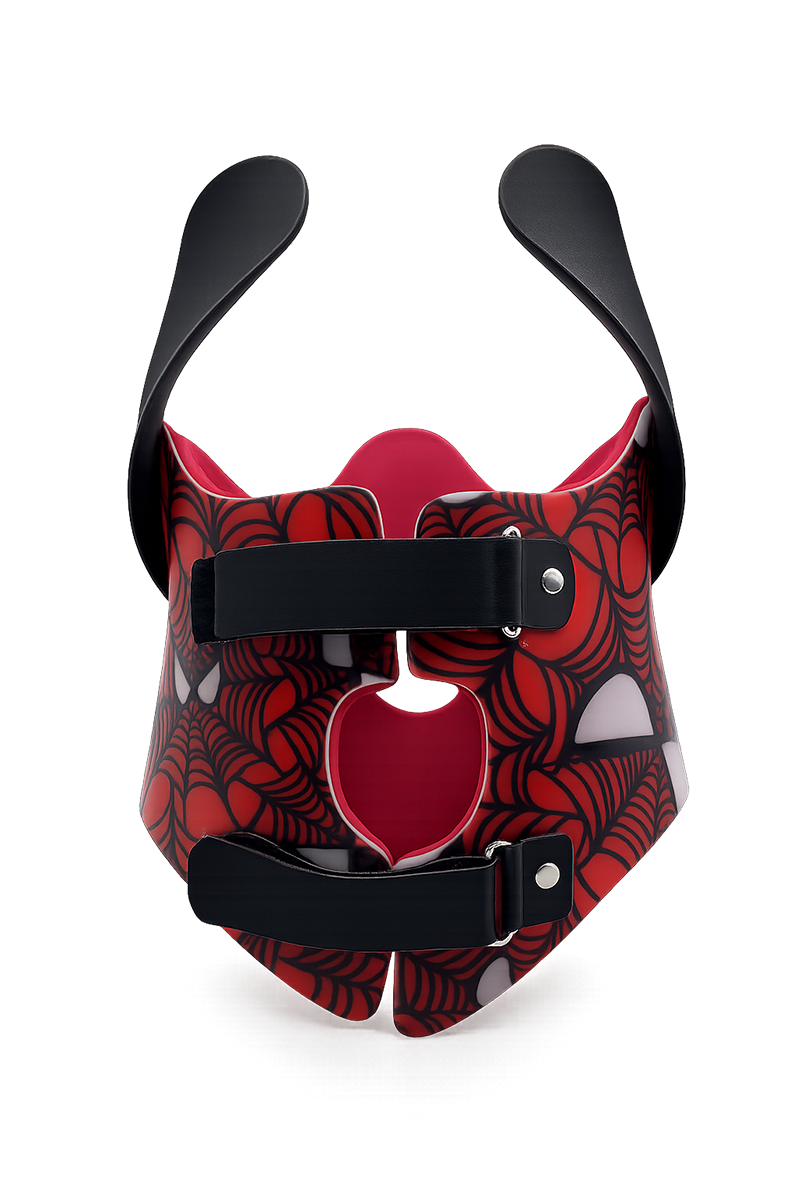
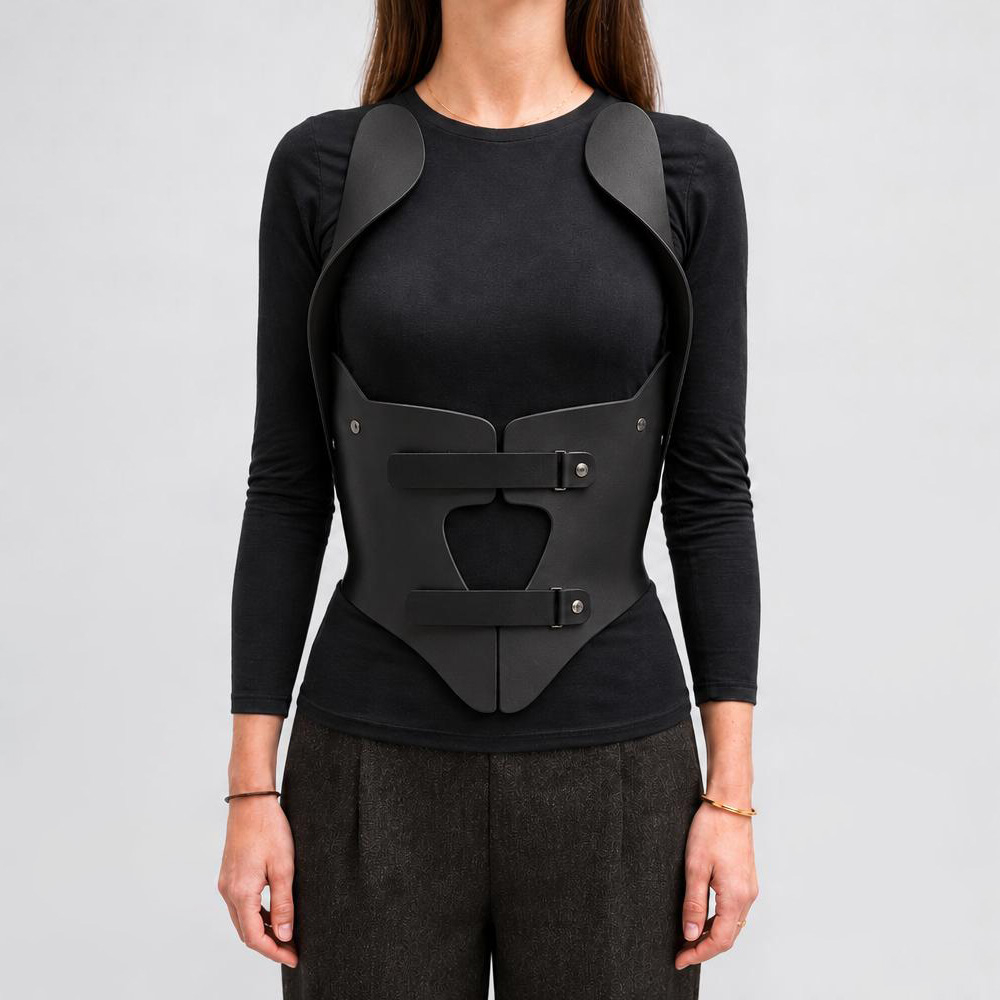
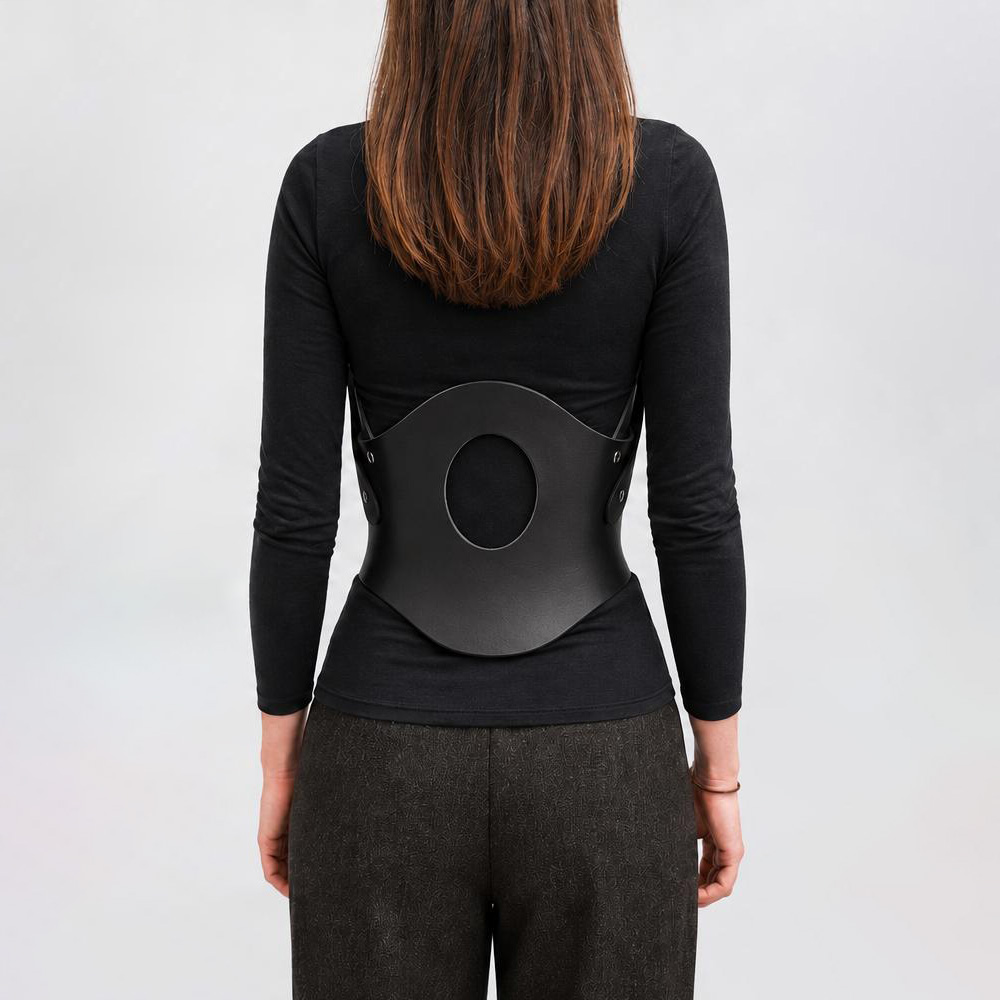
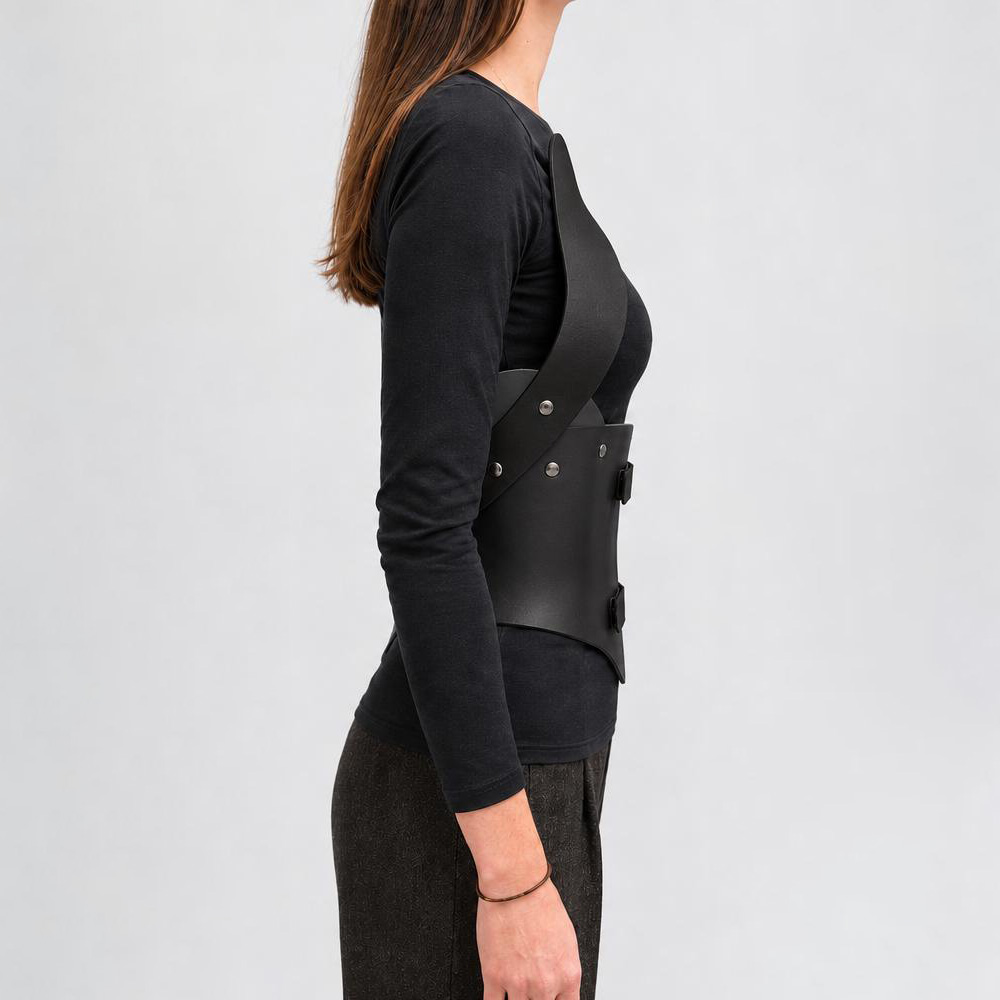
The brace is custom-made to each patient’s shape, posture and clinical needs. Its three-dimensional design helps support the spine and trunk in a more upright position, while taking into account balance, comfort, movement and daily wear.
Each brace is fitted and adjusted by our orthotic team, with follow-up appointments to review fit, pressure areas, posture and brace tolerance.
The brace is designed to be lightweight and as low-profile as possible, so it can be easier to manage day to day.
Its front fastening straps are designed to make the brace more practical to put on and take off, while the upper supports help encourage a more upright posture.
The LOC Kyphosis Brace has been developed using recognised orthotic bracing principles for growing children and teenagers with kyphosis. It has been refined through clinical fitting, patient feedback and follow-up reviews, helping our orthotic team support posture, comfort, fit and day-to-day brace wear.
Kyphosis can become more noticeable during periods of growth. For some young people, particularly those with Scheuermann’s kyphosis, bracing may be recommended while the spine is still developing. A bespoke brace may help:
Adults may develop kyphosis due to age-related changes, osteoporosis, previous spinal injury, surgery or long-term postural changes.
For adults, bracing is usually focused on support rather than correction. A bespoke spinal brace may help with:
We take a personal and practical approach to spinal bracing. Your assessment will focus on you, not just your curve. We’ll look at your posture, movement, symptoms, lifestyle and goals. We’ll also review any clinical information you already have, such as X-rays, consultant letters or medical reports.
We’ll talk you through:
We’ll only recommend a brace if we believe it is clinically appropriate.
View some of the most asked questions about Kyphosis bracing treatment here, or search below for a question you might have.
Don’t forget you can always send us a message or give us a call on 020 8974 9989 if you’d prefer.
It is helpful to bring any X-rays, EOS scans, reports or consultant letters you already have.
We do not diagnose kyphosis, but this information can help us understand your spinal shape and plan your orthotic treatment. If further imaging or medical assessment is needed, we’ll explain this during your appointment.
This depends on your age, the type of kyphosis, the flexibility of the curve and whether your spine is still growing.
Bracing is usually more effective during growth. In adults, a brace is less likely to change the structure of the spine, but it may help support posture, comfort and movement. We’ll always explain what outcomes may be realistic for you.
A brace may help some people with kyphosis, depending on their age, spinal shape, symptoms and whether they are still growing.
For children and teenagers, bracing may help support posture and manage the risk of the curve getting worse, where clinically appropriate. For adults, bracing is usually used to support posture, comfort and day-to-day function.
Your orthotist will explain whether bracing may be suitable after assessment.
We’re committed to always being as transparent as possible with our treatment costs. If you have any questions, please feel free to ask.
Same-day kyphosis bracing is available at our Kingston upon Thames clinic for an additional £231.
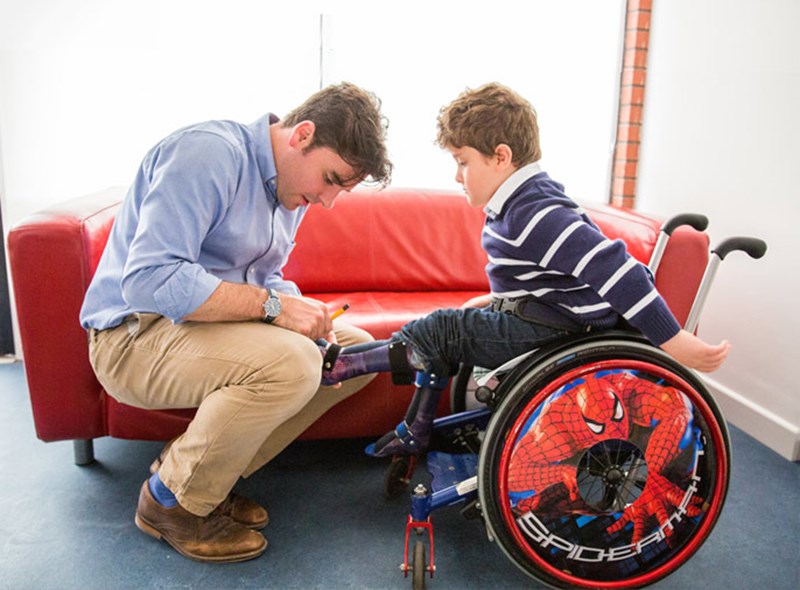
We believe in the power of bespoke orthotics to change lives. That’s why we’re committed to providing the best possible treatments for our patients.
Our on-site workshop means our clinicians can make adjustments or tweaks to your brace, helping to support comfort, fit and function throughout treatment.
Where appropriate, we may refer patients to an external imaging provider for low-dose EOS imaging. These images can help assess spinal alignment and inform orthotic review and any necessary brace adjustments.
Kyphosis bracing may be supported by exercises or physiotherapy, depending on your needs. Where appropriate, we can work alongside your wider care team to help support posture, strength and day-to-day function.
Regular communication and check-ins with your dedicated orthotist help make treatment feel clear, manageable and supported.
Have a question about your condition or treatment options? We’re here to help.
Simply complete our contact form, and a member of our team will get back to you to answer your questions and help you understand the next steps.