
Have a question about your condition or treatment options? We’re here to help.
Simply complete our contact form, and a member of our team will get back to you to answer your questions and help you understand the next steps.
We use cookies where necessary to allow us to understand how people interact with our website and content, so that we can continue to improve our service.
We only ever receive anonymous information, and cannot track you across other websites.
View our privacy policyKyphosis is when the upper back curves forwards more than usual. It can affect children, teenagers and adults, and is often noticed during periods of growth. Treatment depends on the type of kyphosis, the size and flexibility of the curve, symptoms, age and whether the spine is still growing.
A degree of kyphosis is normal, as the upper spine naturally curves outwards. Kyphosis becomes a medical concern when that curve is significantly increased.
You may notice:
Treatment is not always needed. Some people may only need monitoring, while others may benefit from support to help manage posture, comfort and day-to-day movement.
Kyphosis can happen for different reasons. Understanding the type of kyphosis helps guide the right treatment plan.
How we treat kyphosis at different ages
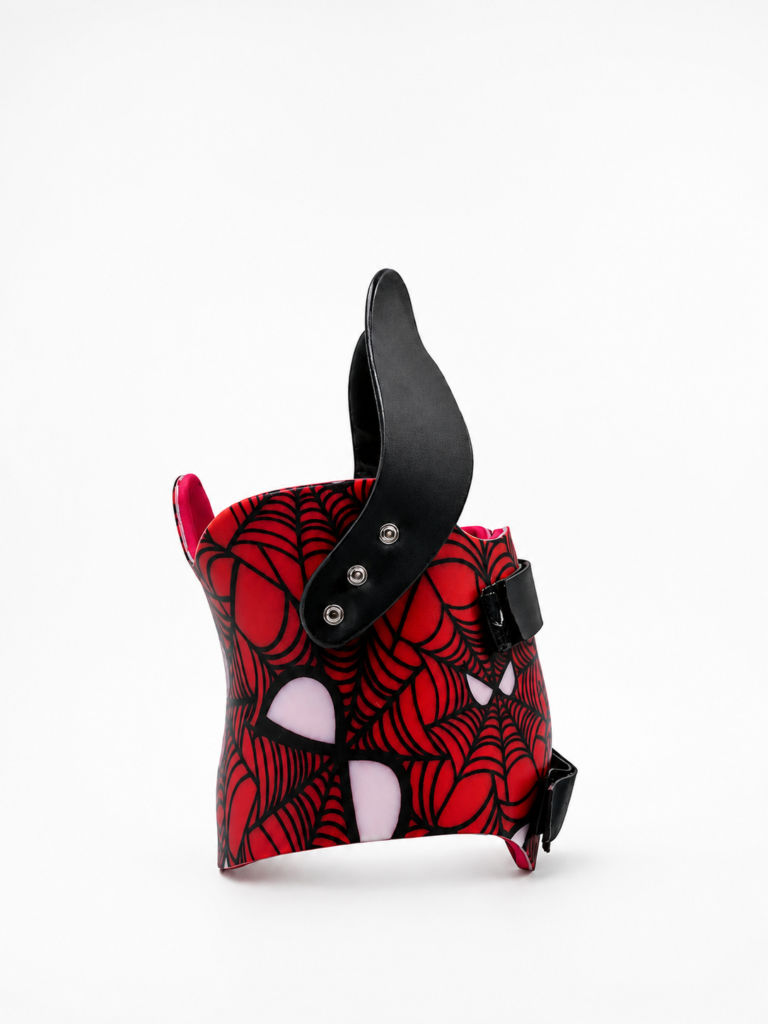
Kyphosis can become more noticeable during growth. Some children and teenagers may develop Scheuermann’s kyphosis, which is a more structural type of kyphosis. Bracing may be considered for some young people who are still growing, depending on the type and size of the curve.
In adults, kyphosis can be linked to age-related changes, osteoporosis, previous injury, surgery or long-term posture changes. Treatment usually focuses on support, comfort, posture and day-to-day function.
Kyphosis is usually assessed by a GP, spinal consultant or specialist clinical team. They may recommend an X-ray to understand the type and size of the curve.
At LOC, we do not diagnose kyphosis. We use the clinical information you already have, including X-rays, reports or consultant letters, to help guide your orthotic treatment.
During your assessment, your orthotist will look at your posture, movement, symptoms and goals. We’ll then explain whether bracing may be suitable for you.
Treatment depends on your age, symptoms, curve type and clinical needs.
Treatment may include:
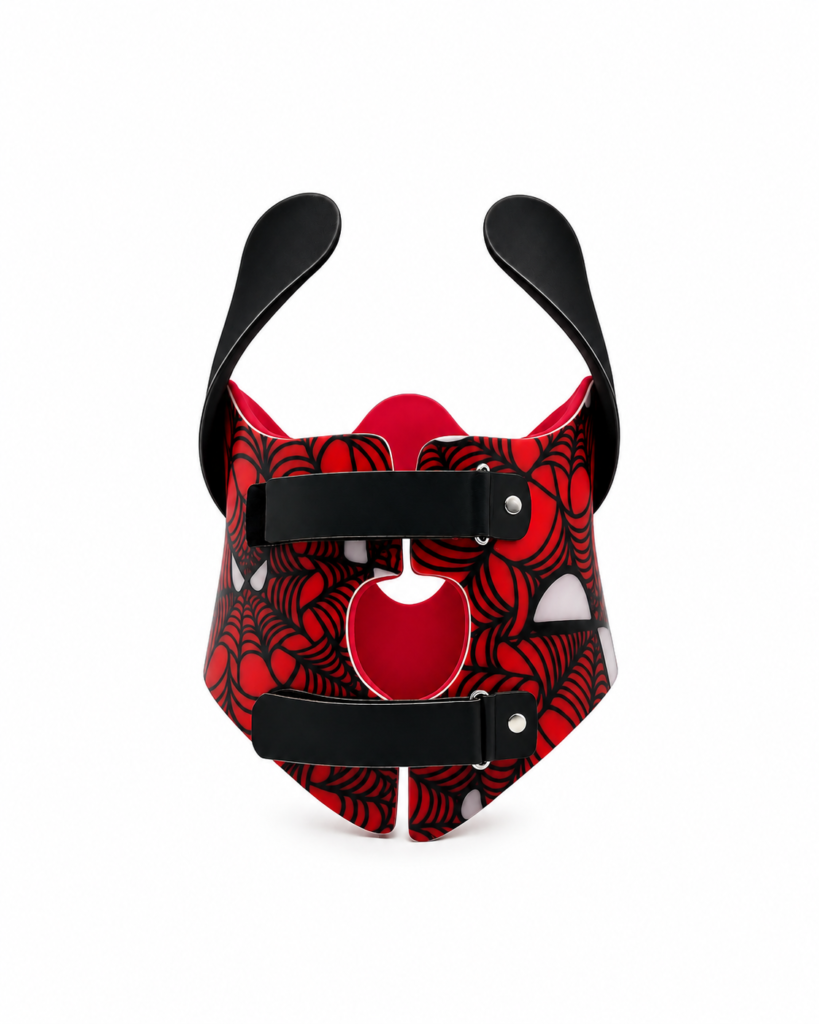
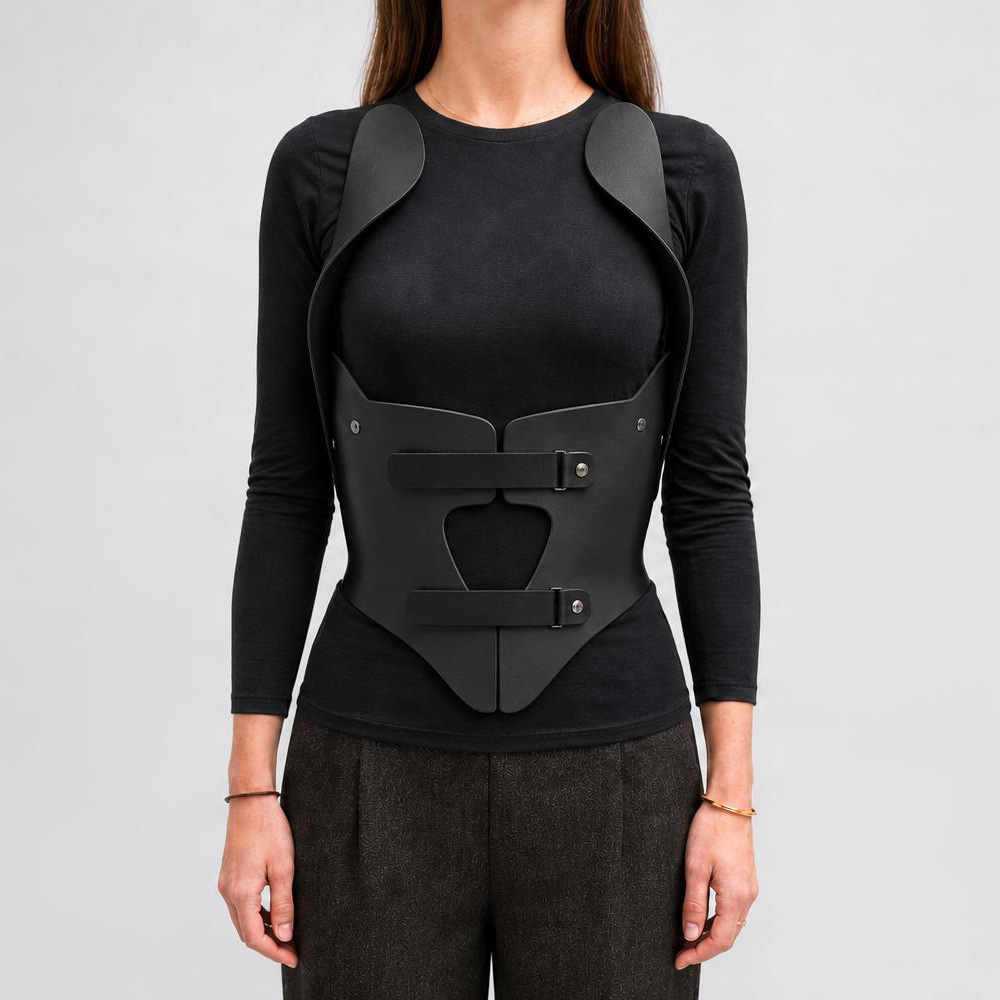
Bracing may be recommended for some children and teenagers who are still growing, particularly where the aim is to support posture and help manage the risk of curve progression, where clinically appropriate.
For adults, bracing is usually used to support posture, comfort and daily function.
See our kyphosis bracing treatment page. We may also recommend specialist exercises as part of your care, delivered by our partner Scoliosis SOS.
A bespoke brace can help manage an increased forward curve of the spine during growth. It works by gently encouraging a more upright position, with follow-up and adjustments to support fit, comfort and everyday wear.
Have a question about your condition or treatment options? We’re here to help.
Simply complete our contact form, and a member of our team will get back to you to answer your questions and help you understand the next steps.
