Due to the Microsoft outage, our email is down and some appointments may be affected. If you have a question about your appointment, treatment or anything else, please call us on 020 8974 9989.

Scoliosis (pronounced sko-lee-o-sis) is more common than many people realise. The term comes from Ancient Greek, meaning “bending”, and was described by the physician Hippocrates.

We support people with scoliosis through orthotic management, including brace assessment for suitability, bespoke brace design, fitting, and follow-up. We work alongside the wider medical pathway.

We do not diagnose scoliosis or provide radiology or diagnostic imaging reports. Diagnosis and imaging interpretation are provided by an appropriate medical professional or service. Where you already have imaging reports or measurements from your clinical team, we can use these to inform orthotic brace design, fit and adjustment.

So, let’s break it down: what is scoliosis, and what are the common treatment options?

What is scoliosis?

Scoliosis is when the spine curves sideways and may also rotate, often forming an S or C shape. It can sometimes be linked to other conditions, such as muscular dystrophy, cerebral palsy, Marfan syndrome, or Ehlers–Danlos syndrome. In many cases, the cause is unknown.

There are different types of scoliosis, depending on when it develops:

  • Adolescent idiopathic scoliosis (AIS), the most common type, appears in teenagers, especially during growth spurts.
  • Juvenile idiopathic scoliosis is seen in younger children (aged five to ten), though it’s less common.
  • Adult scoliosis: once the spine is fully grown, scoliosis can’t be ‘corrected’ with a brace, but treatment can help with pain management and posture.

What are the treatment options?

Not everyone with scoliosis needs active treatment. It depends on age, curve size, growth stage, symptoms, and how the curve changes over time. Some people may only need monitoring by their clinical team. Others may be advised to consider options such as bracing or physiotherapy as part of a wider care plan. In some cases, surgery is recommended by a specialist team.

For people exploring non-surgical management, bracing and scoliosis-specific exercises may be part of the discussion. These approaches may help manage scoliosis and, for some people during growth, may reduce the risk of progression. Outcomes vary and medical oversight remains important.

What is Schroth physiotherapy?

Schroth is a scoliosis-specific exercise approach that started in Germany in the 1920s. It focuses on posture, breathing techniques and targeted exercises to support strength, movement and body awareness. Some people use it to support comfort, posture and day-to-day function alongside their wider care plan.

There are different ways Schroth-based exercises may be used, depending on age and curve type. A physiotherapist can advise on what is appropriate and safe for you or your child.

We work with an external specialist physiotherapy provider so people can access Schroth-based exercise support where appropriate.

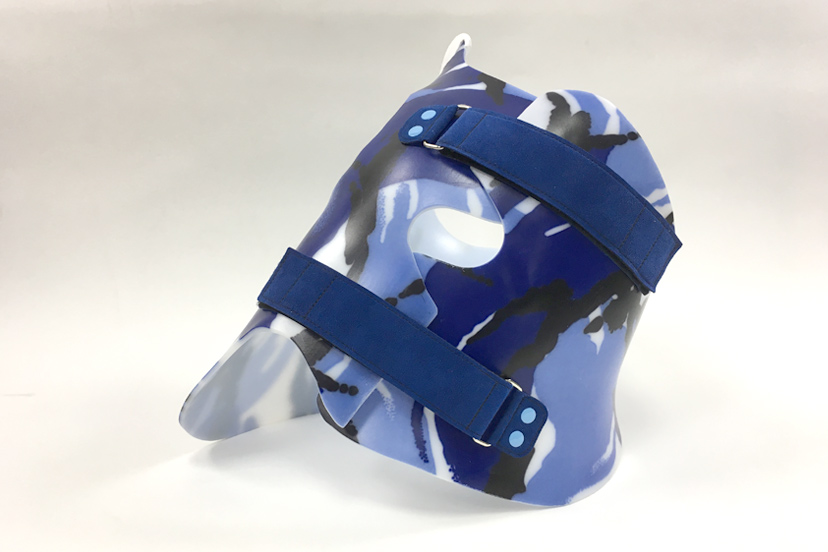
Cheneau-Gensingen brace represents a non-surgical treatment option that actually corrects the patient’s curved spine.
Above: The Cheneau-Gensingen brace represents a non-surgical treatment option that actually corrects the patient’s curved spine.

What is the Cheneau-Gensingen brace?

The Chêneau–Gensingen brace is a custom-made scoliosis brace designed to support three-dimensional in-brace correction. It is typically designed using computer-aided design (CAD) technology to support a precise fit.

This style of brace is often described as different from more traditional designs because it is shaped to support three-dimensional correction rather than simply holding the spine in one position. Comfort, wearability and follow-up adjustments also matter, as these can affect how well a brace can be worn day to day.

Cheneaue-Gensingen brace

  • back and front of Gensingen brace

How does it compare to other braces?

There are several brace designs used in scoliosis care, and different clinical teams may recommend different options depending on the person, their curve pattern and their stage of growth.

Rather than comparing braces in broad terms, it is usually more helpful to discuss:

  • what type of brace has been recommended by your clinical team
  • what the goals of bracing are in your situation
  • how fit, comfort and follow-up will be managed over time

If you already have a diagnosis and measurements from your clinical team, our orthotic team can explain the brace options we offer and how we approach fitting and follow-up.

What’s next?

If you or your child has scoliosis, there are non-surgical options that may be appropriate as part of a wider care plan. If you are concerned about posture or asymmetry, speak with your GP or an appropriate specialist for assessment and, if needed, imaging.

If you already have a diagnosis and would like to explore bracing, contact us to book an orthotic consultation and we’ll explain what information we need from your clinical team and what next steps may look like.

A lightweight, custom 3D scoliosis brace designed to optimise in-brace correction

A bespoke brace can help reduce the risk of progression during growth and support curve management as part of a wider care plan. Our brace works by gently guiding your spine into a more corrective in-brace position, with follow-up and adjustments to support fit and comfort.


“LOC has been fantastic, friendly, understanding. Anna did not pull any punches about the wearing regime and gave us all the information we needed. Polly was in her brace for less than two years. LOC has provided a really incredible service.”

Zoe, Polly’s mother – Scoliosis patient (adolescent)

Get in touch for a free online orthotic consultation

Speak to our team about your options, with no obligation to begin treatment.

Not sure which appointment to book?

  • New patients: Please book an Assessment.
  • Existing patients: Please book a Review.

If you can’t find a suitable appointment, please contact us and our admin team will be happy to help.

020 8974 9989
  • You can book a range of assessment and review appointments online, depending on the service and location that you require. If a specific appointment type is unavailable online, please contact LOC directly on [email protected] or you can call us. Unfortunately we are unable to offer fittings online at the moment.

  • Yes, if your previous orthotist offers online booking and has availability, you can choose to book with them again.

  • Please check your spam or junk folder first. If you still haven’t received a confirmation within 10 minutes, contact LOC Admin to confirm your booking via [email protected]


  • Yes. You can book on behalf of someone else. Please ensure the registration form includes the details of the person attending the appointment.

  • No account is required. Our booking process allows you to book as a guest. However, you will be asked to enter key details and complete required forms.

  • Most orthotic treatments are available online. If the treatment you’re looking for is not listed, please contact us directly and LOC Admin will assist you.

Get in touch for a free online orthotic consultation